
The Sony RX10V
Issue #276 — The Jack of all trades... Master of None?

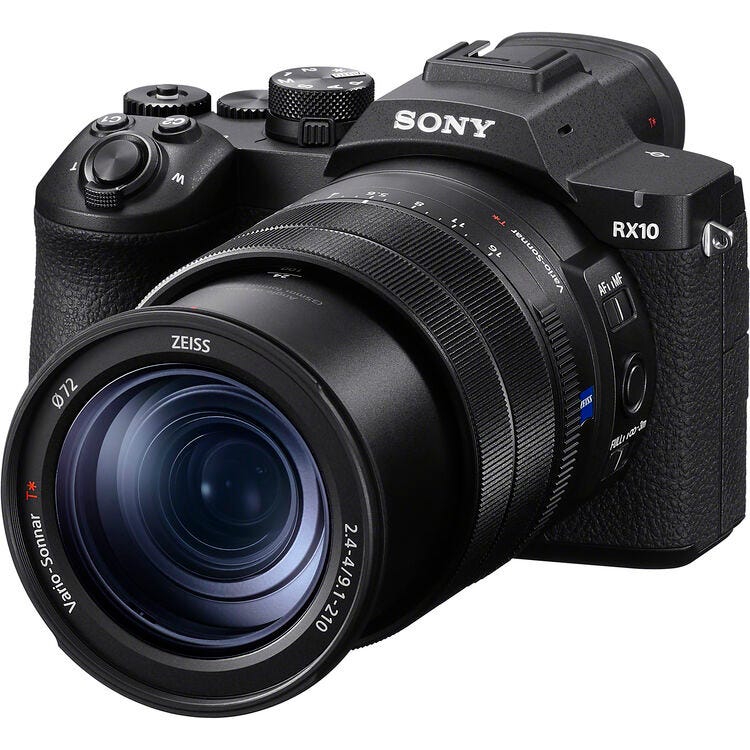
I mentioned in a previous newsletter that I would begin doing camera reviews. Reviewing gear is definitely not one of my strengths, but I want to diversify my YouTube channel, and gear reviews are a natural fit for a photography channel.
I’m at a bit of a disadvantage when it comes to reviewing gear in general, and cameras in particular. The channels that regularly do gear reviews get the cameras on loan from the manufacturer before they're released. This allows them to film their review, edit it, and publish it online to go live the moment the camera is launched or the embargo is lifted. Of course, if you're first with your video, you’ll get more views, but more importantly, the loan of the camera doesn’t cost them anything. Because I’ve never done serious gear reviews, manufacturers aren’t clamoring to loan me equipment, so I have to buy the stuff myself. In some instances, I think if I had a working relationship with a manufacturer, where they loaned me gear to review, I’d tend to give more favorable reviews because I don’t want that well of loaned gear to run dry. At the very least, psychologically, I might oversell things that are good about a product and gloss over what’s bad. So, in a sense, it might be better if I buy the stuff myself—I might be able to do a better, more honest review than I would if I were beholden to the manufacturer.
With that said, Canon, Fuji, Nikon, Sony… Et al., call me ;).
With that in mind, I can’t review everything I’d like to—I need to be more selective. The first camera I decided to purchase and review is the Sony RX10 V. This is the fourth revision of the original Sony RX10 camera that was launched in 2013.
I purchased mine from B&H Photo for $2,298.00 (Affiliate link). With tax, it came to $2,499.08 and I received it this past Friday.
I do not plan to give full reviews in my newsletter—I’ll save that for my YouTube channel, but I will give you my initial impressions and share some images with you.
If you’re not familiar with the Sony RX10V, it’s considered a Bridge Camera. At $2,298.00, it’s a relatively high-end bridge camera.
I didn’t want to take for granted that I actually knew what a Bridge Camera was, so I asked the janky plagiarism robot ChatGPT: “What exactly is a 'Bridge Camera’? I often hear people referring to the Sony RX10V as a Bridge Camera. What does that mean?”
I must have had something set to Extra Verbose because the janky robot regurgitated an entire page of explanation. I’ll share a bit of it here:
A “bridge camera” is basically a camera designed to bridge the gap between a simple compact camera and an interchangeable-lens camera such as a DSLR or mirrorless camera.
The Sony RX10 series is a good example because it combines features from both worlds.
What makes a camera a bridge camera?
A bridge camera typically has:
A permanently attached lens
A large zoom range
Manual exposure controls
An electronic viewfinder
A body and controls that resemble a DSLR or mirrorless camera
RAW capability
More advanced autofocus and shooting features than a typical point-and-shoot
The defining feature is really the combination of a fixed lens and advanced camera controls.
Let’s talk about each of these bullet points as they pertain to the RX10V.
A permanently attached lens - The non-interchangeable lens is a ZEISS Vario-Sonnar T 24-600mm equivalent F2.4-4.0 zoom lens (optical actual range is 9.1–210mm). I found it to be exceptionally sharp throughout its zoom range, and it quickly and accurately attains focus.
A large zoom range - As mentioned, it zooms from an equivalent focal length of 24-600mm. 25x zoom range.
Manual exposure controls - Yes, you can shoot manually. It also has Aperture and Shutter priority. A Program mode and a Full Auto Mode. So, everything you would expect a modern mirrorless or DSLR camera to have in terms of shooting modes, the RX10V has.
An electronic viewfinder - Yup, it has one, and it’s excellent.
A body and controls that resemble a DSLR or mirrorless camera - Definitely true. It handles and shoots like a mirrorless.
RAW capability - Yes, you can shoot RAW or JPEG, or RAW and JPEG.
More advanced autofocus and shooting features than a typical point-and-shoot - Yes, it has every focus mode a current Sony camera has, including eye focus for humans, animals, birds, insects, cars, trains, and planes.
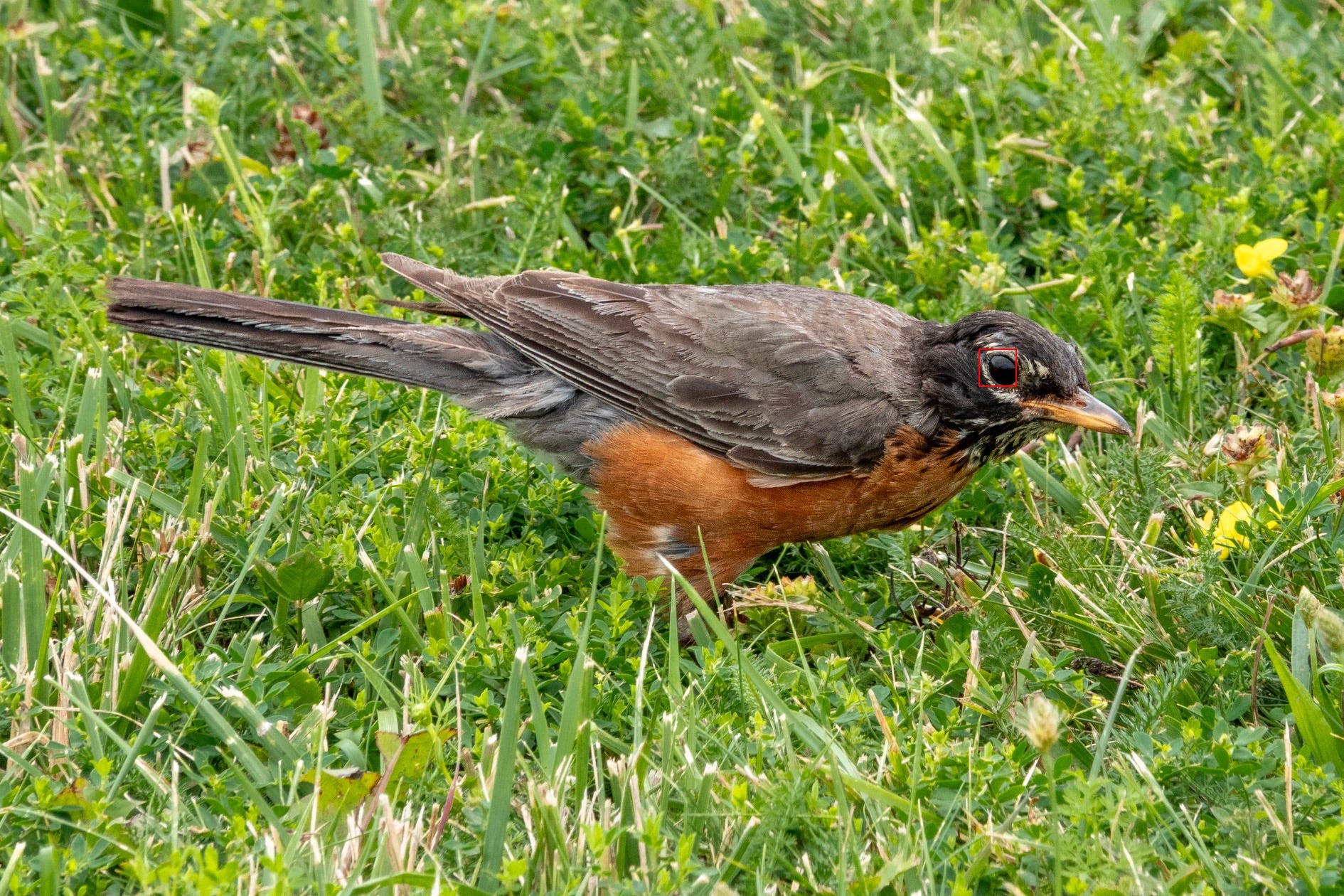
In the above image, I used the Show Focus Points feature in Camera Raw to show that the focus point is directly on the American Robin’s eye. If you look closely, you’ll see the red box over the bird’s eye. I had the camera’s focus set to “Birds” when I took this.
I’ve neglected to discuss what is perhaps the most important feature of the camera—the feature that might prevent you from buying. That feature is the sensor. The Sony RX10V has a 1-inch sensor. 1-inch sensors are common in higher-end consumer drones, but they’re rare in cameras that cost over two grand.
If you’re used to shooting with a full-frame sensor or even an APS-C sensor, you’ll find a 1-inch sensor to be tiny in comparison.
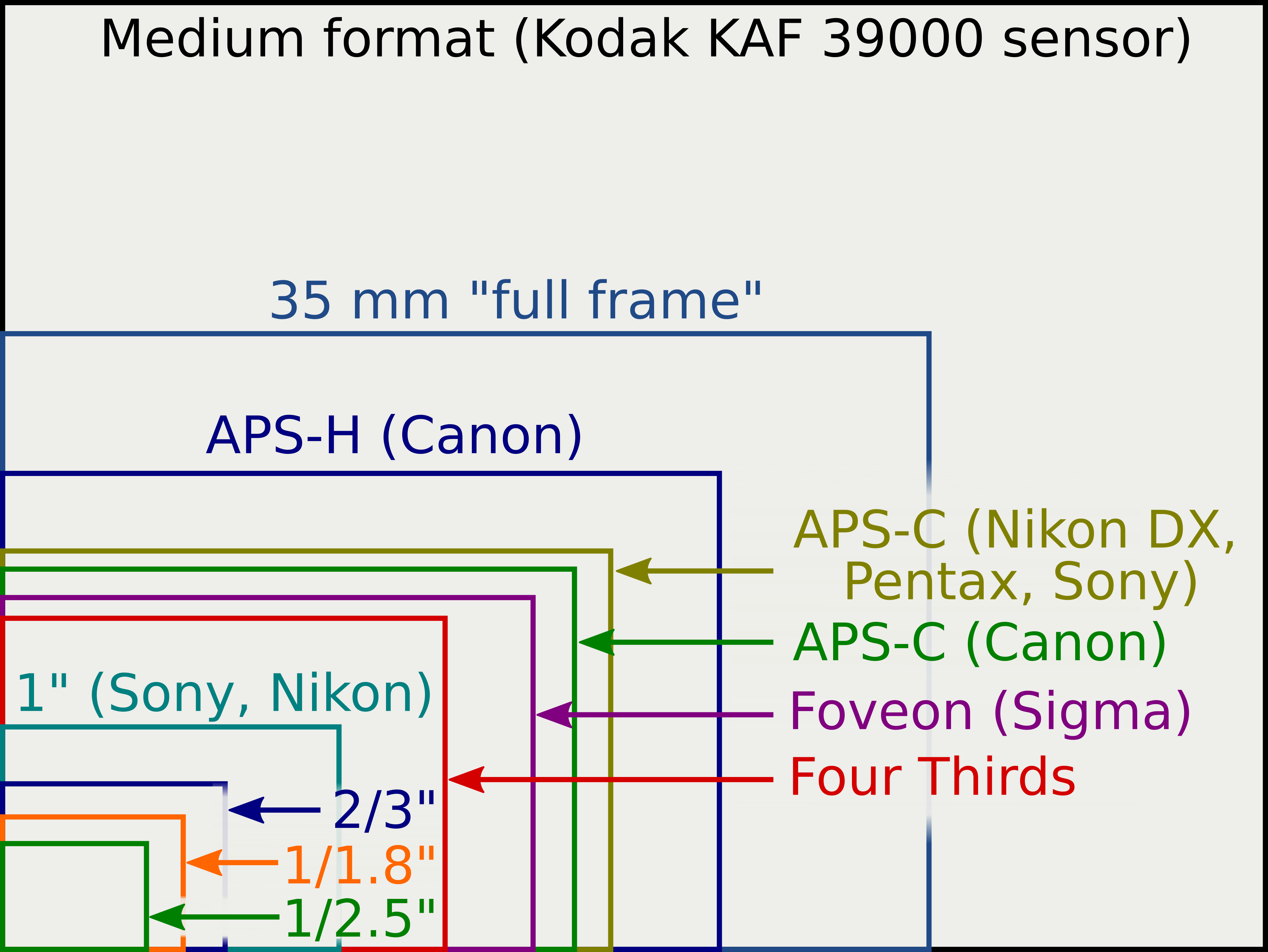
In the diagram above, you’ll see the relative size of a 1-inch sensor compared to others. You’ll notice the 1-inch sensor above, in green labeled 1” (Sony, Nikon), is considerably smaller than the sensor sizes more commonly found in modern DSLRs and Mirrorless cameras.
Sensor technology has come a long way in the past few years. The 20.1-megapixel 1.0-type (1-inch) stacked Exmor RS BSI-CMOS found in the RX10V, paired with the BIONZ XR processor and a bit of AI, produces great images.
Don’t get me wrong—if you pixel peep, you’ll see a difference. Whether or not the difference matters is up to you. Right now, I’m on the fence. I need to use the camera a bit more to determine if it’s right for me.
Before I share a few images, let’s talk about my dilemma when it comes to this camera.
My walk-around camera is a full-frame Nikon Z7ii with a Z 24-70mm f/2.8 lens. All too often, I’ve been out with this camera and stumbled across something I wanted to shoot, but couldn’t because I could only zoom to 70mm. Last fall, I was walking along a small lake with that camera, taking landscape images, and to my surprise, an American Bald Eagle was on the shore eating a fish. I needed at least 500mm to get shot, but I only had 70. Disappointing.
Other times, when I’ve been traveling and walking around a city, that setup has gotten to be a burden to carry—I would welcome something lighter.
If I wanted to shoot a portrait, a 24-70mm f/2.8 lens wouldn’t be my preferred choice. I would have preferred at least 85mm or even 105mm at f/1.4 .
The Sony RX10V would seem to be the perfect solution—but not so fast.
Wildlife - The equivalent reach of 600mm is great, but when shooting wildlife, when fine feather or fur detail matter, a bigger sensor is, in my opinion, required.
Street Photography - Again, the reach will help get the perfect frame, and the lens is fast enough to shoot in most lighting conditions, but the camera isn’t small or light. Janky ChatGPT tells me that it’s 1,111 grams (2.45 lbs / 39.2 oz). My Nikon setup is around 3 lbs, but it has a bit smaller profile. I won’t be able to stealthily shoot street images with either camera.
Travel Photography - This is actually what I want to use it for. Unfortunately, it’s still a bit heavy. Part of this is on me. I dislike camera straps and prefer a wrist strap. Since I received it, I’ve used this camera exclusively with a wrist strap, and it's getting tiring.
Portraiture – I haven’t had the opportunity to do any portraits with it yet. My granddaughter is coming over later today, and my grandson is coming by Tuesday. I’ll recruit them as models. For portraiture, though, I think I’d still prefer a larger sensor, but I’ll keep an open mind and see how it goes.
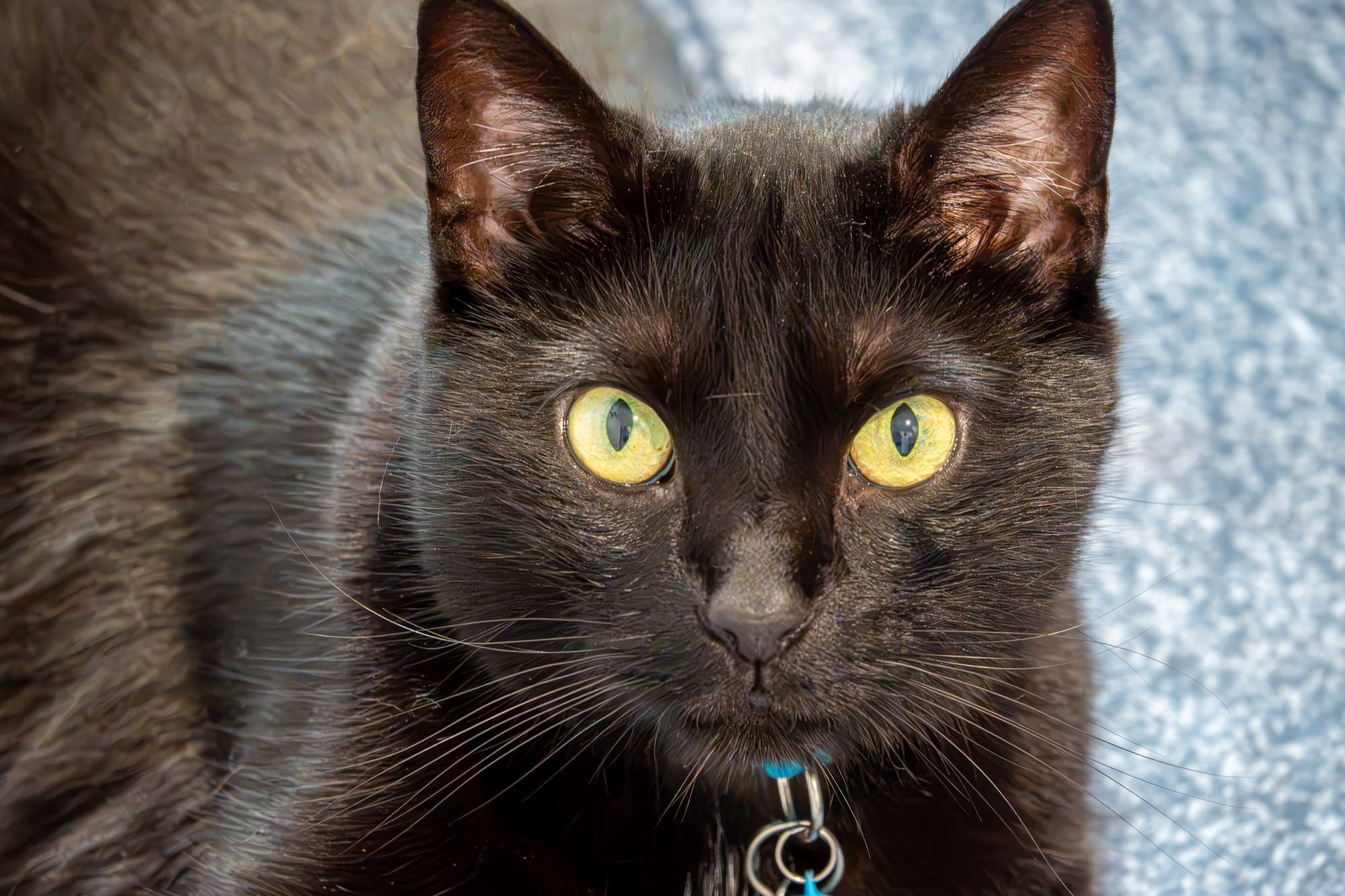
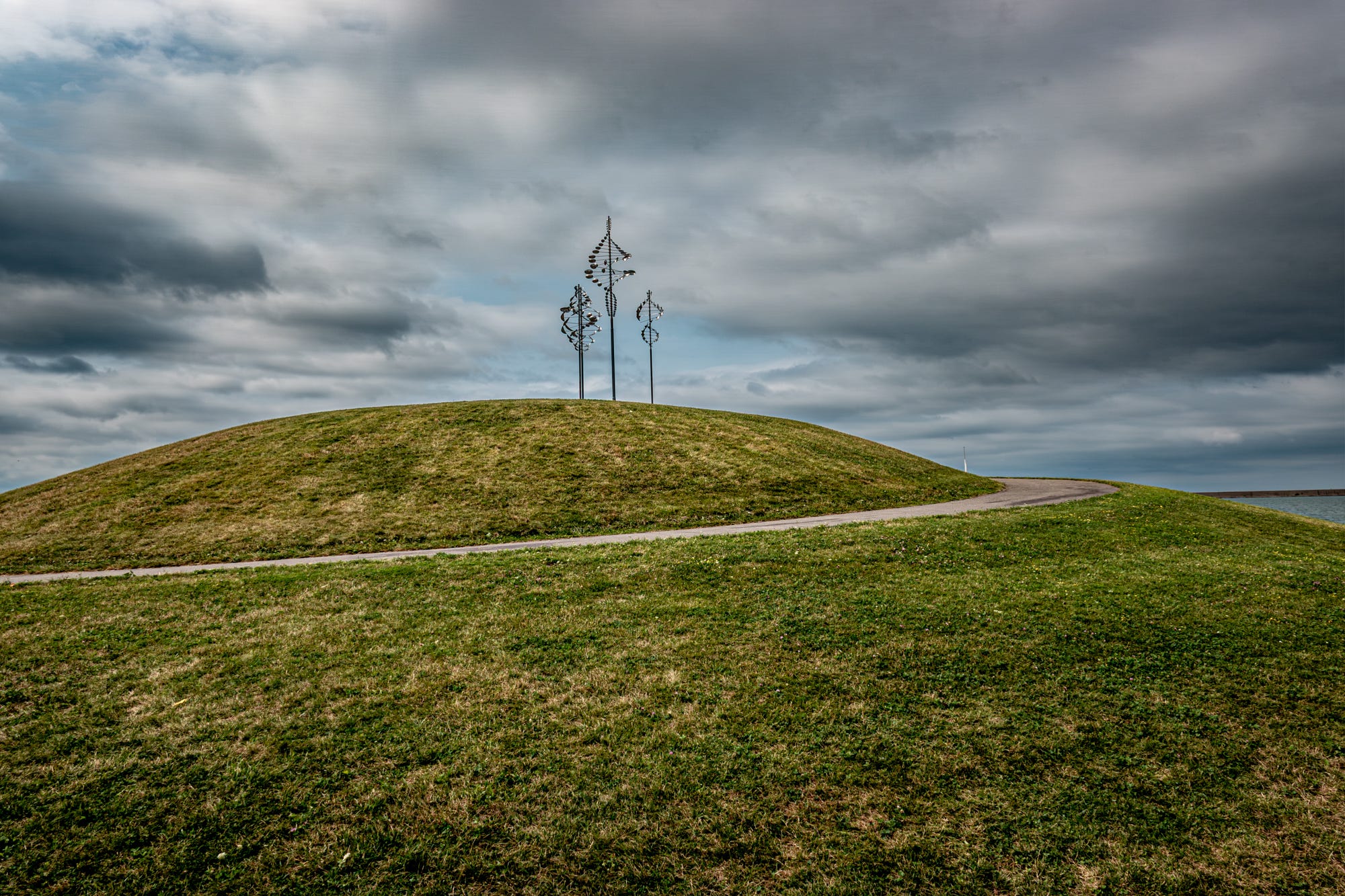
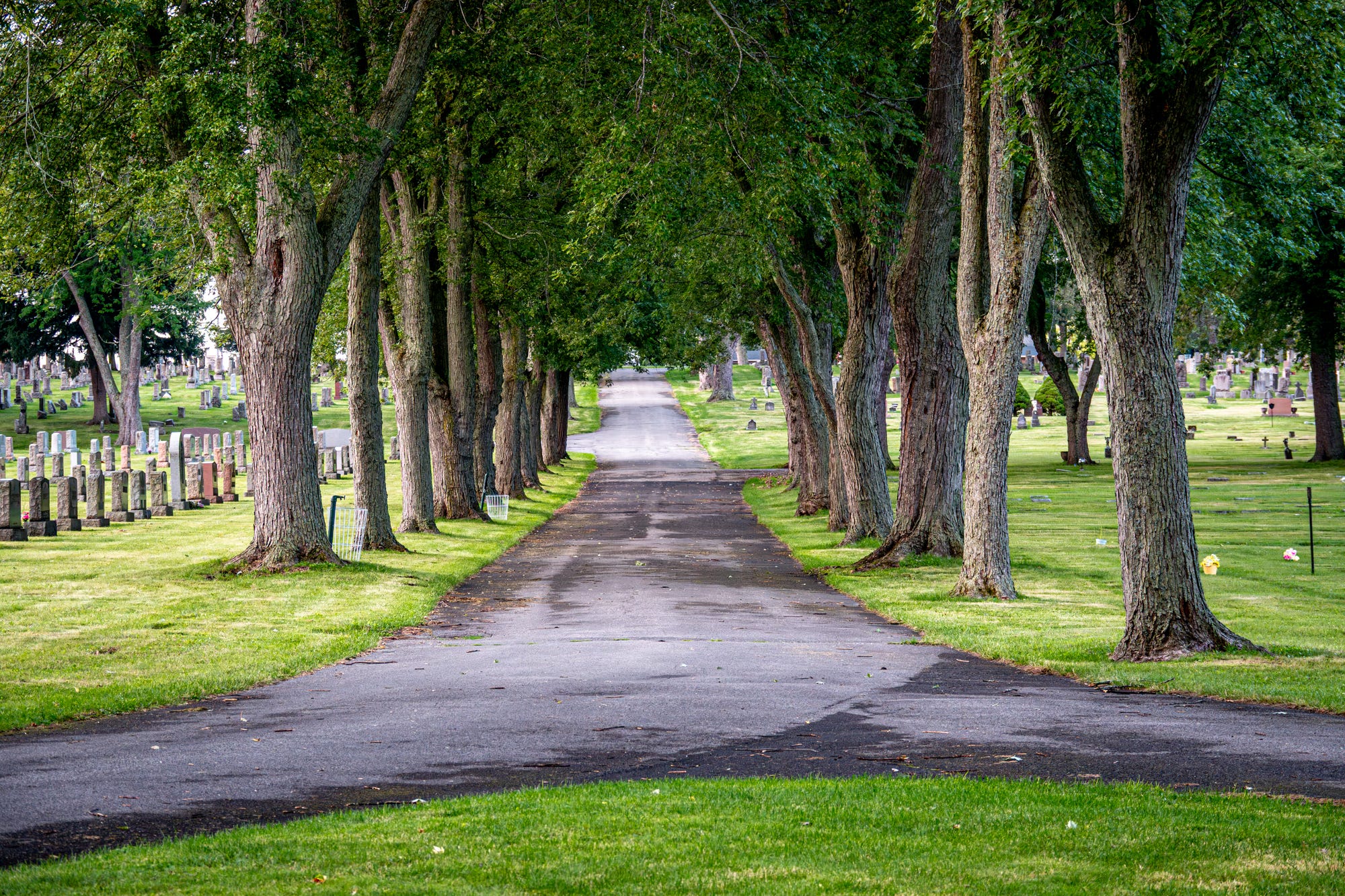
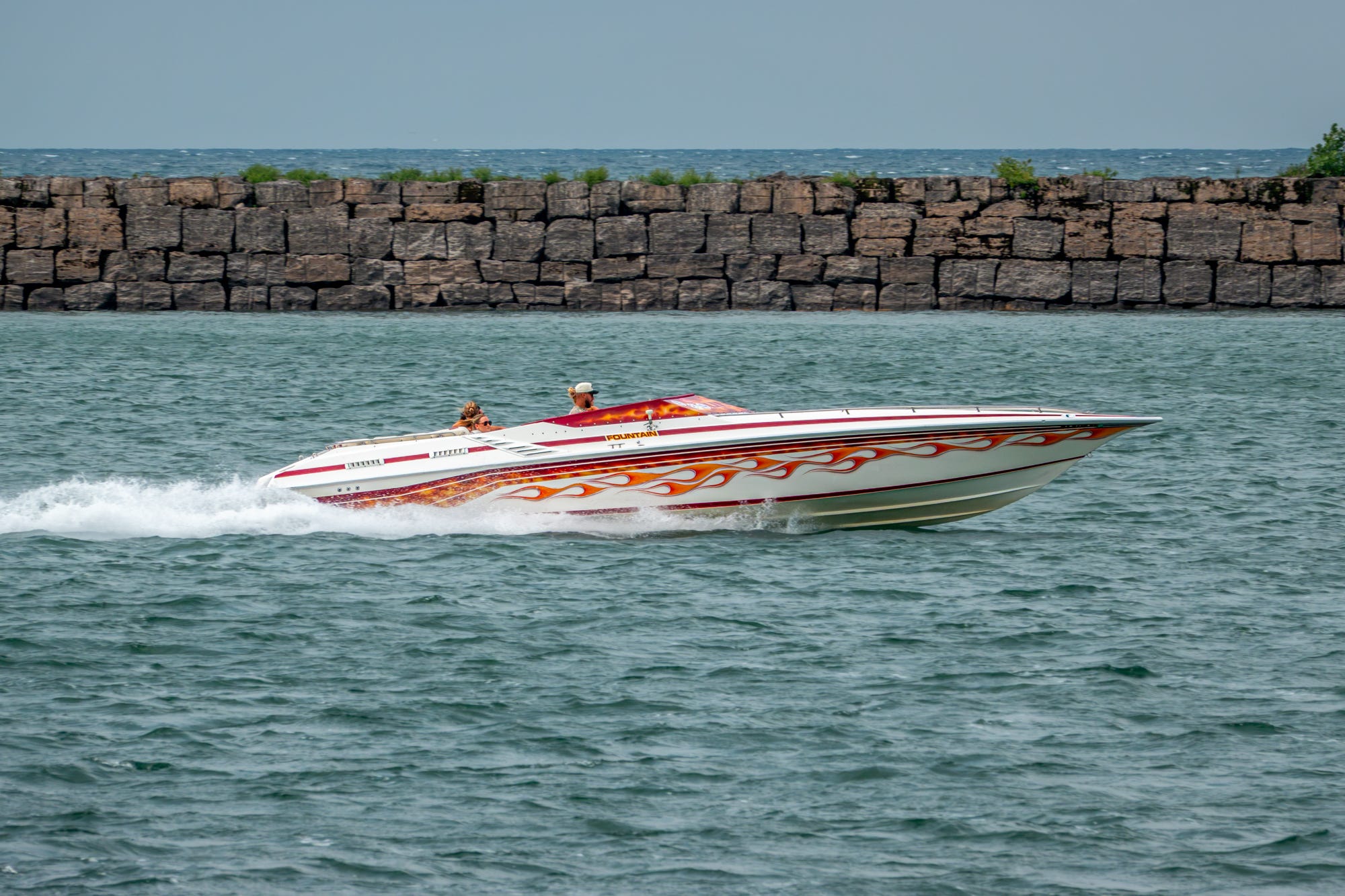
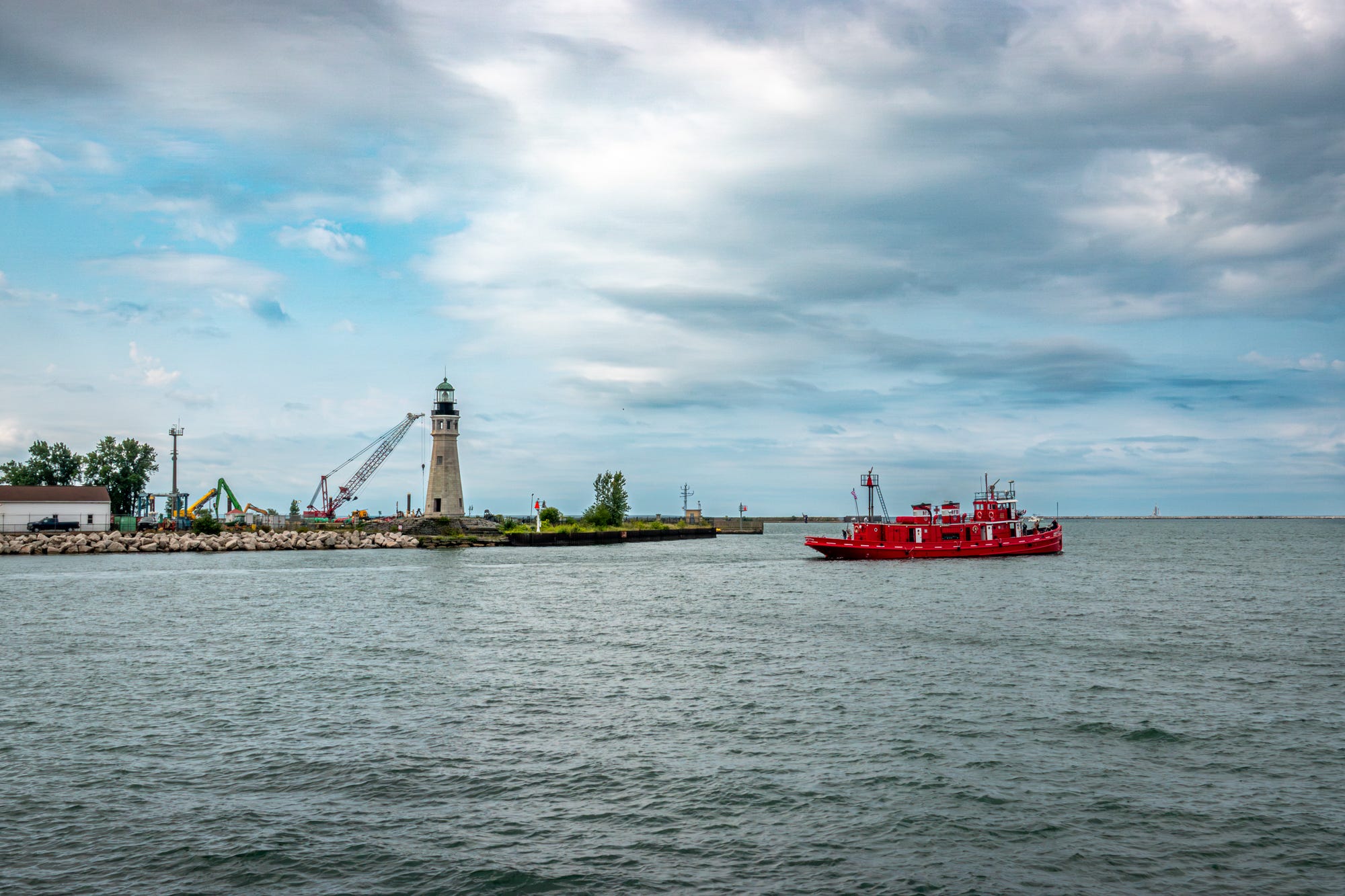
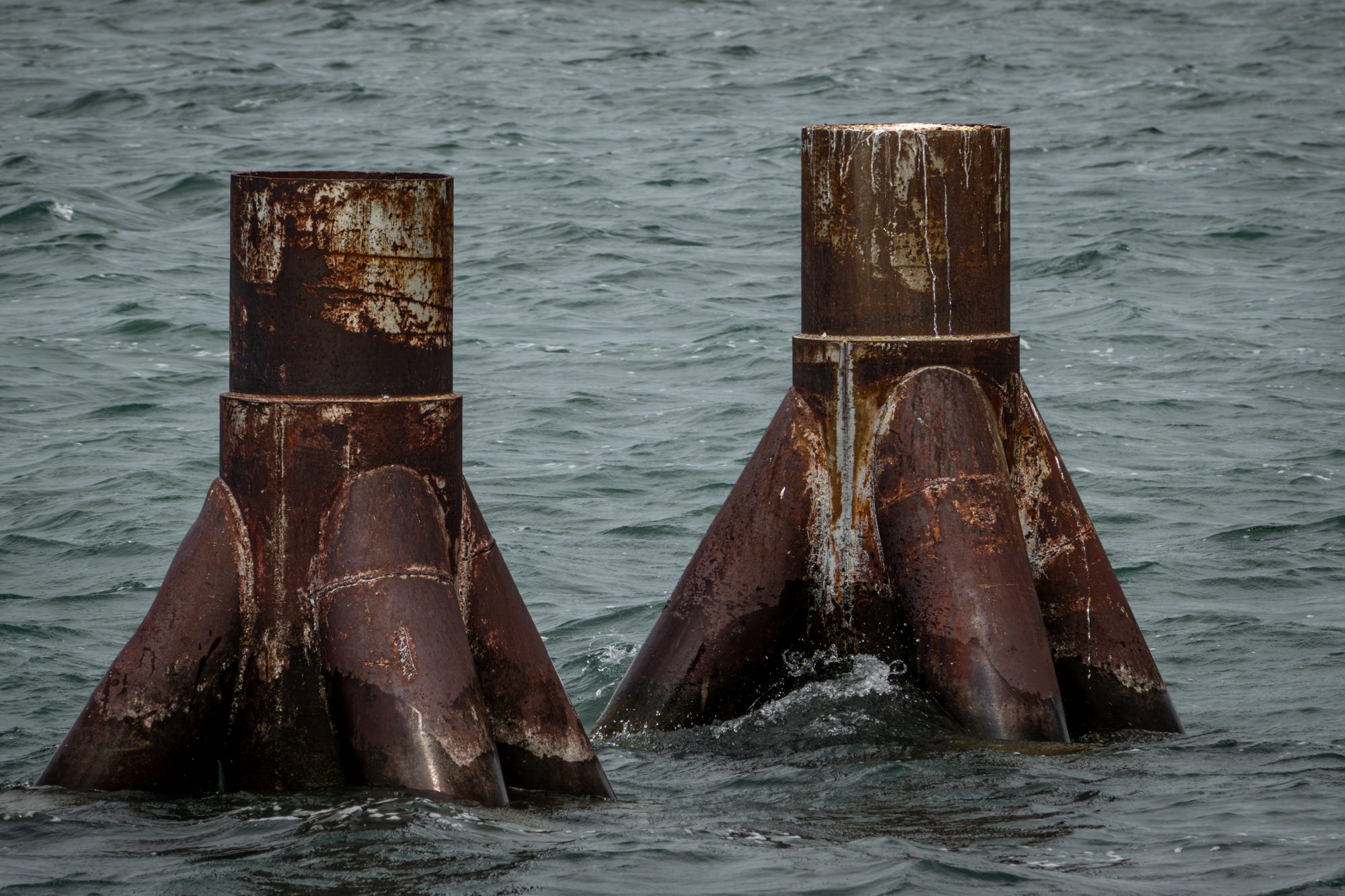
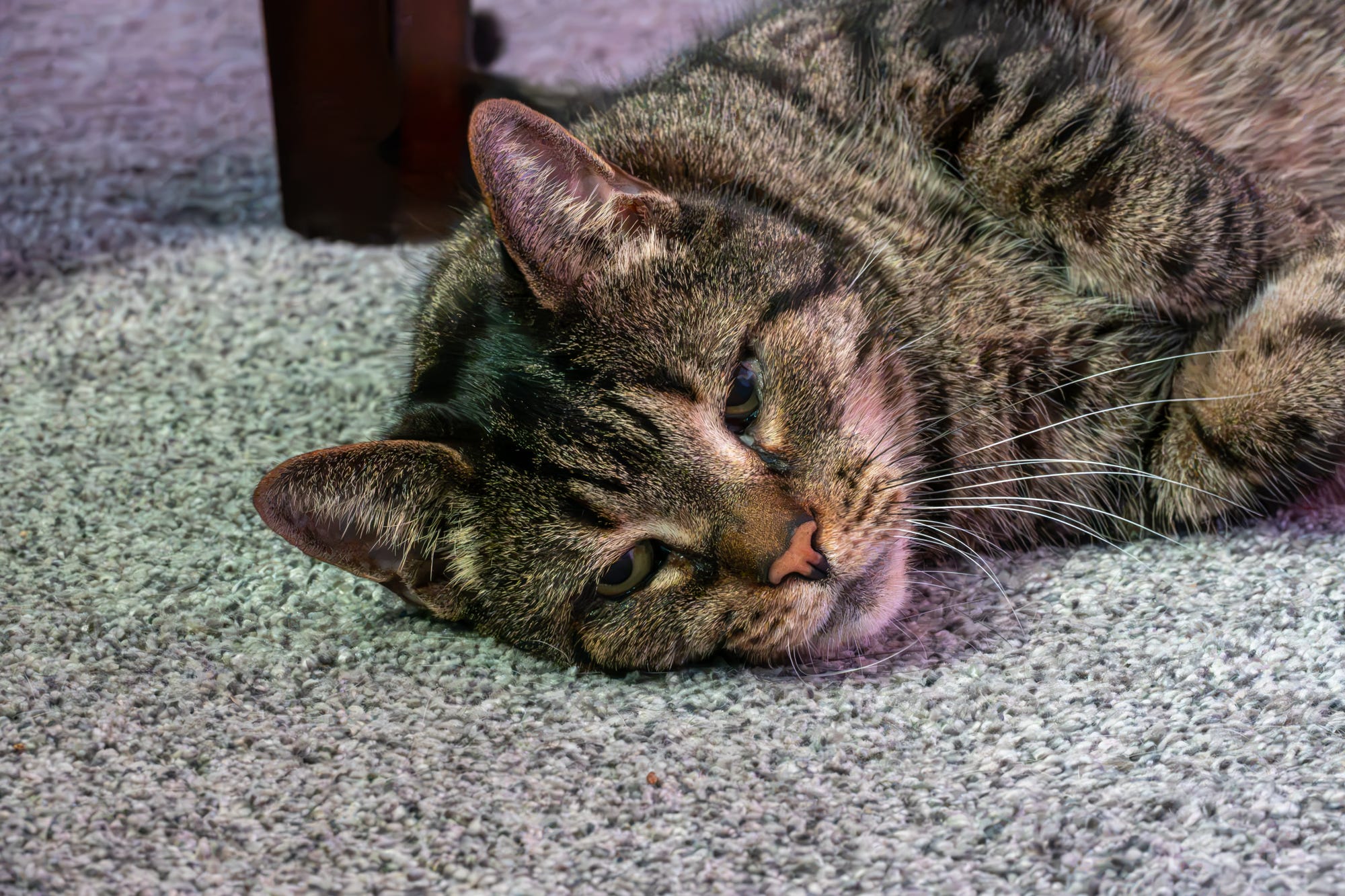
Within a week or two, I’ll have a full review on YouTube with my Buy or Bye recommendation. Until then, here are some images I took over the past couple of days.

Some of the Places You Can Find Me:
My Website: https://www.anthonymorganti.com/
My YouTube Channel: https://www.youtube.com/@anthonymorganti
some great images already before your fuller explorations
Thank you for this review. I have been looking for a camera somewhere between my Canon R5 along with multiple lenses, and my Sony RX100VI. Basically, I'm looking for an "acceptable" utility camera.