
The Photographer’s Eye Cannot Be Generated
Issue #263 — AI can make an image. But it cannot notice the world for you.

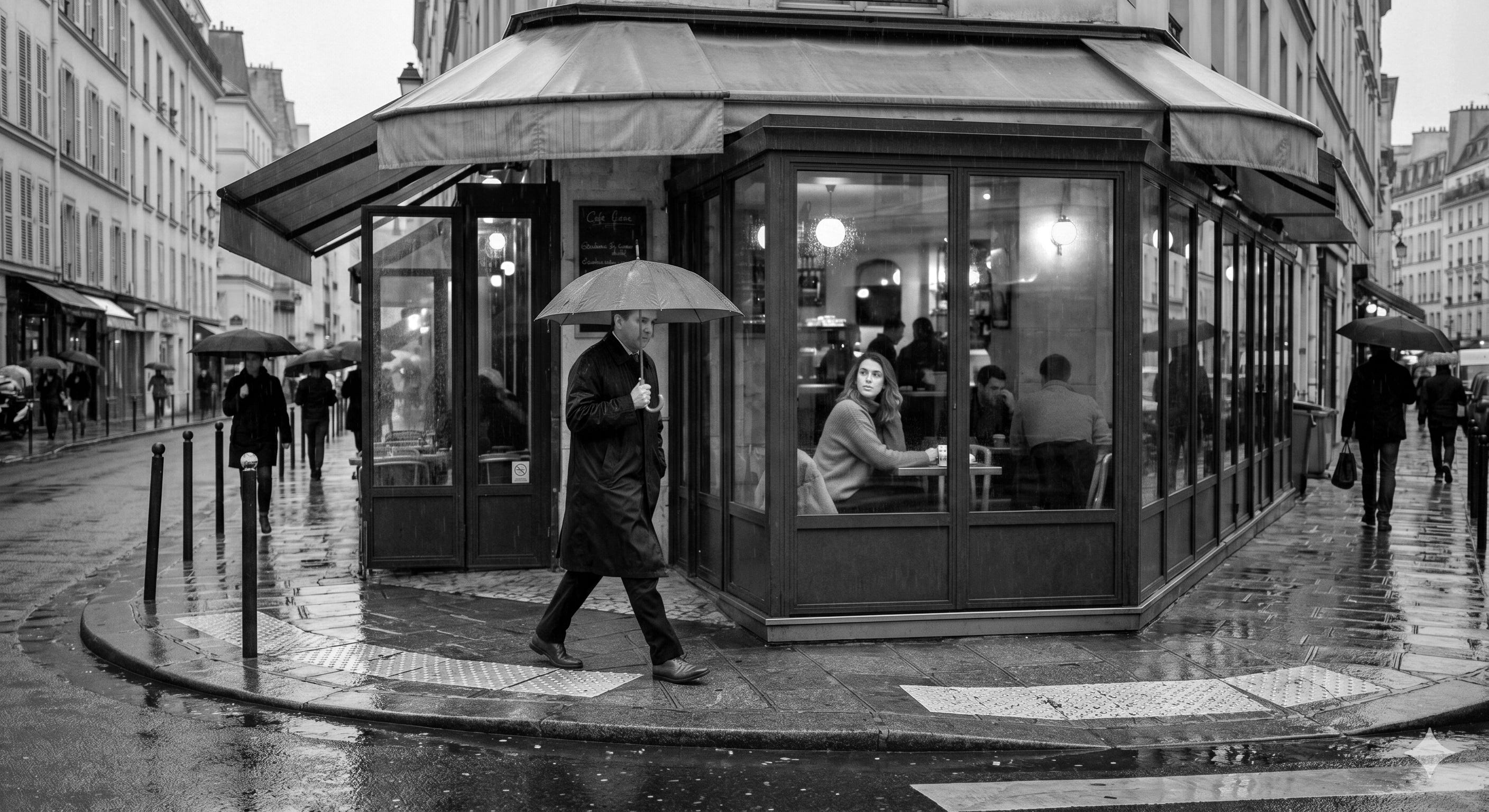
AI is so good at creating pictures right now. That is no longer up in the air. You can put a few words into a prompt box and receive something that is polished and dramatic and emotional and — in some cases — very close to a photograph. A rainy street. A lonely diner. A woman gazing through a window. A man walking by. And the results can be impressive, and I think photographers should not lie about it.
An image is different from a photograph, though. A photograph usually opens with an encounter. You were somewhere. You saw something. You felt enough of a pull to stop, raise the camera, and decide that this small piece of the world mattered. That decision is in the photograph even though the viewer may never know exactly where or how. AI can only give the appearance, but never experience a moment. This distinction is even more important. When you make a photograph, you are doing more than recording what is in front of you. You show what you’re seeing. That may seem elementary, but I believe it is one of photography’s most meaningful features.
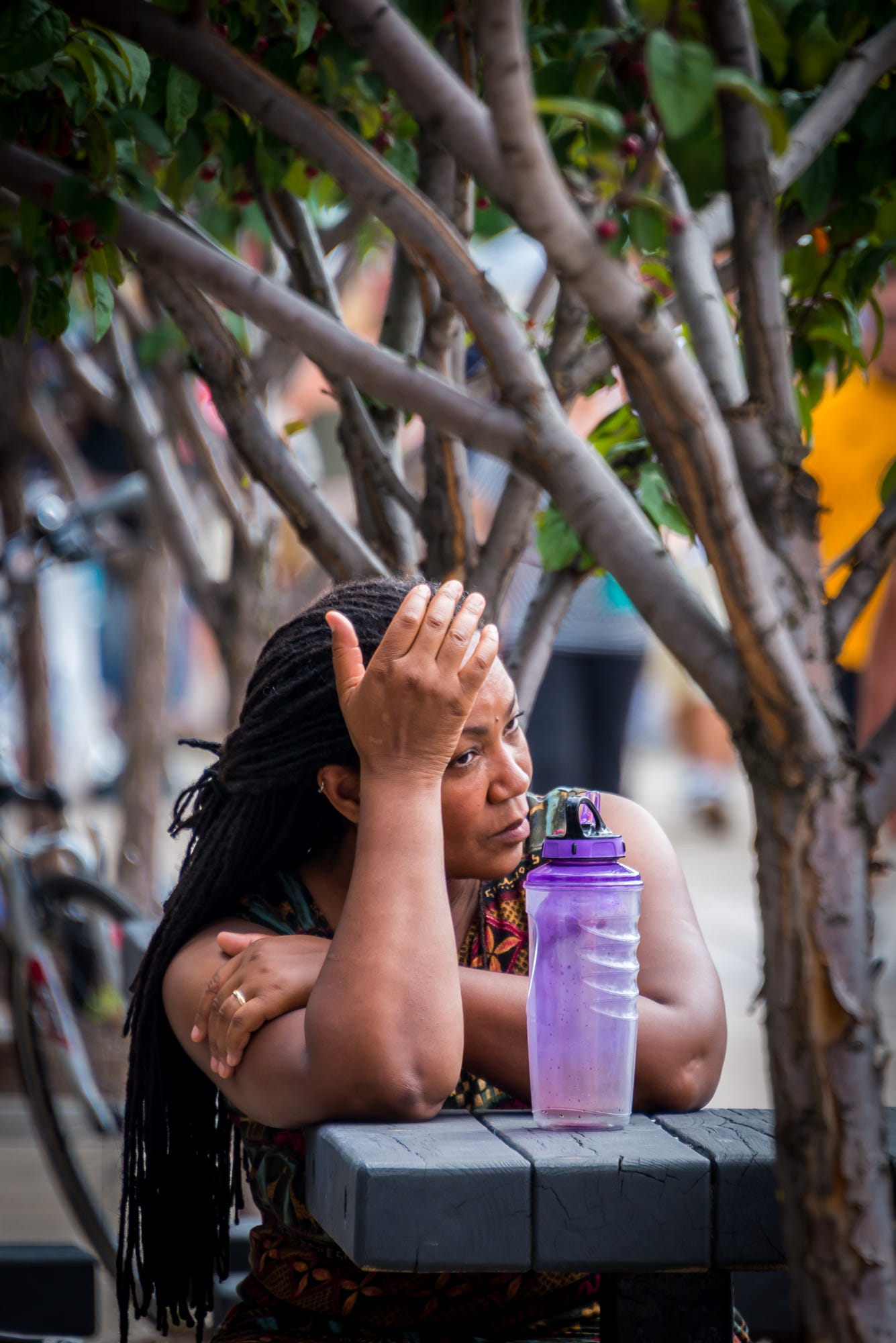
Two individuals can occupy the same space with the same camera and come away with totally different pictures. One of us sees the light on a wall. Another catches the tired expression on someone else’s face. Another notices the worn paint on a doorway, the tension between two people, or how a quiet street feels after the rain. The exact same scene, but because photographers are different, the pictures are different.
You, as a photographer, want to make something with your gaze that is not just what you see. It is rather the thing people react to. Everything you have lived through is the lens through which you view everything you have seen. It’s formed by what you loved as a child, by the things you love and fear. It’s molded by what you’ve been able to do as a child, what you fear losing, what you find beautiful, and what you can’t quite articulate. It is forged by the spaces to which you return, by the topics that keep calling to you, by the scenes that arrest you for all intents and purposes when others don’t seem to see their presence. AI does not have that. It has no childhood memories. It does not miss anyone. It doesn’t feel uncomfortable in a room, comforted by the glow of a particular light, or drawn to a dilapidated building just because it reminds it of where it came from. It can imitate the look of emotion, but cannot feel. That does not make AI useless. It simply means that we should be honest about what it is and what it is not.
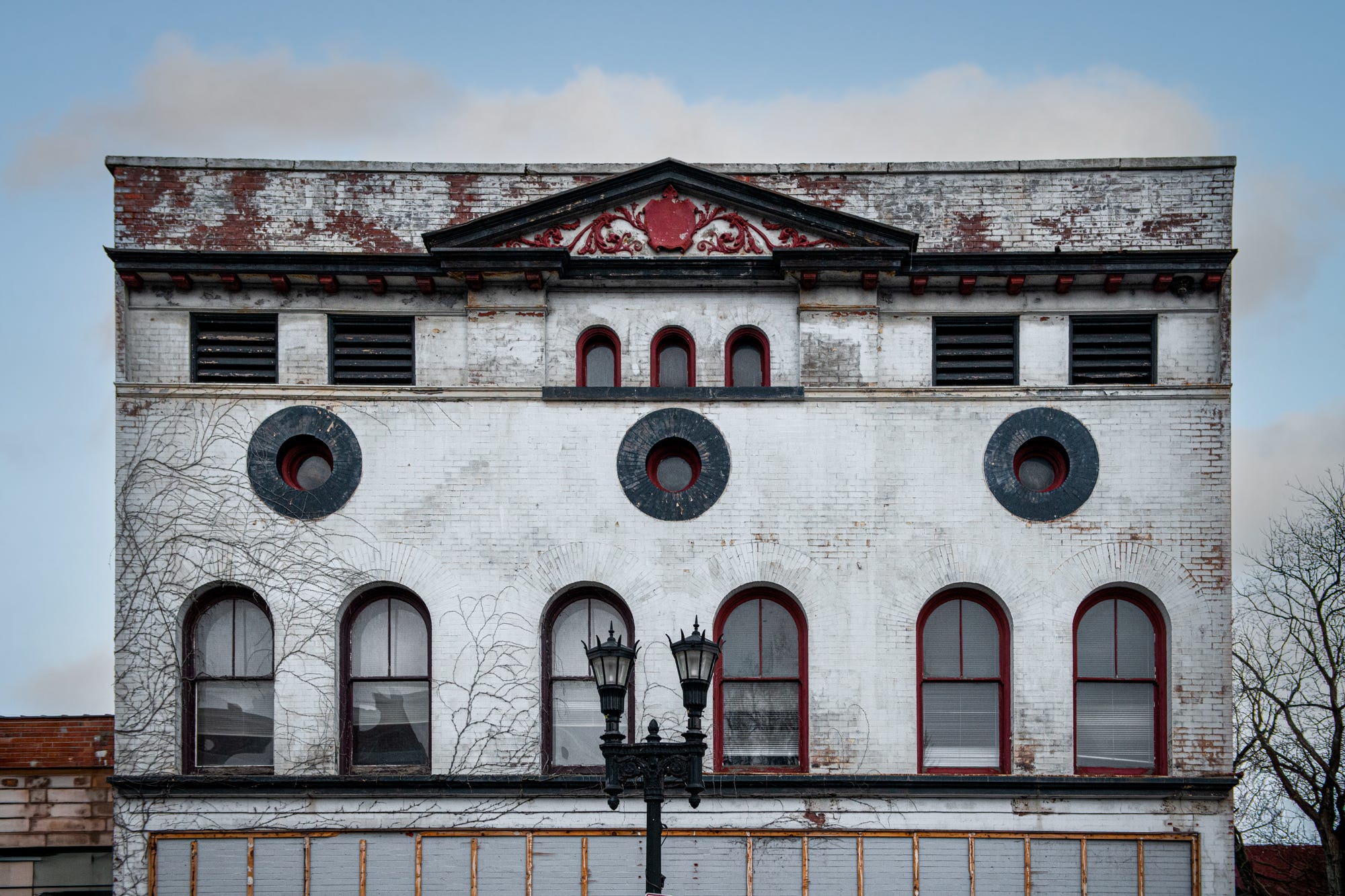
Photography has always been about tools. Advances in lenses, sensors, software, printers, and editing have enabled us to function in a new way. I have no desire to pretend photography is the enemy of technology. I use technology every day, and I teach others to use it. But the tool is not the eye. A camera does not determine what counts. A lens does not develop taste. Lightroom and Photoshop don’t make you care. They assist you in shaping the image, but they do not fill you with the impulse that inspired you to generate this in the first place. That impulse is yours. It is the tiny, intimate moment when you become aware of something, and it won’t go away. At times, you know why instantaneously. Or you only grasp it months or years later, when you find the same sort of subject repeatedly circling back in your work.
Photography is for me one more thing; it is an act of choice. You choose where to stand. You choose what to include. You choose what to leave outside the frame. You choose the moment to press the shutter, and then later, decide how it should feel. Every photograph is a series of decisions made. Sometimes those decisions are conscious. But sometimes they happen in such rapid bursts that it will be time to understand them later. Yet, either way, they come from within you. They spring out of your taste, go along with your instincts, give you the picture, and get around to feeling your sense of what that should be.
AI can mimic the result of those decisions. It can paint an image that appears to have been chosen. But it did not stand there. It did not wait. It could not sense the moment's tension ebbing away. It did not decide that this person, this light, this street corner, and this little ordinary snippet of life were worth preserving. And this is why I believe the future of photography will challenge us to embrace a more personal approach, not less.
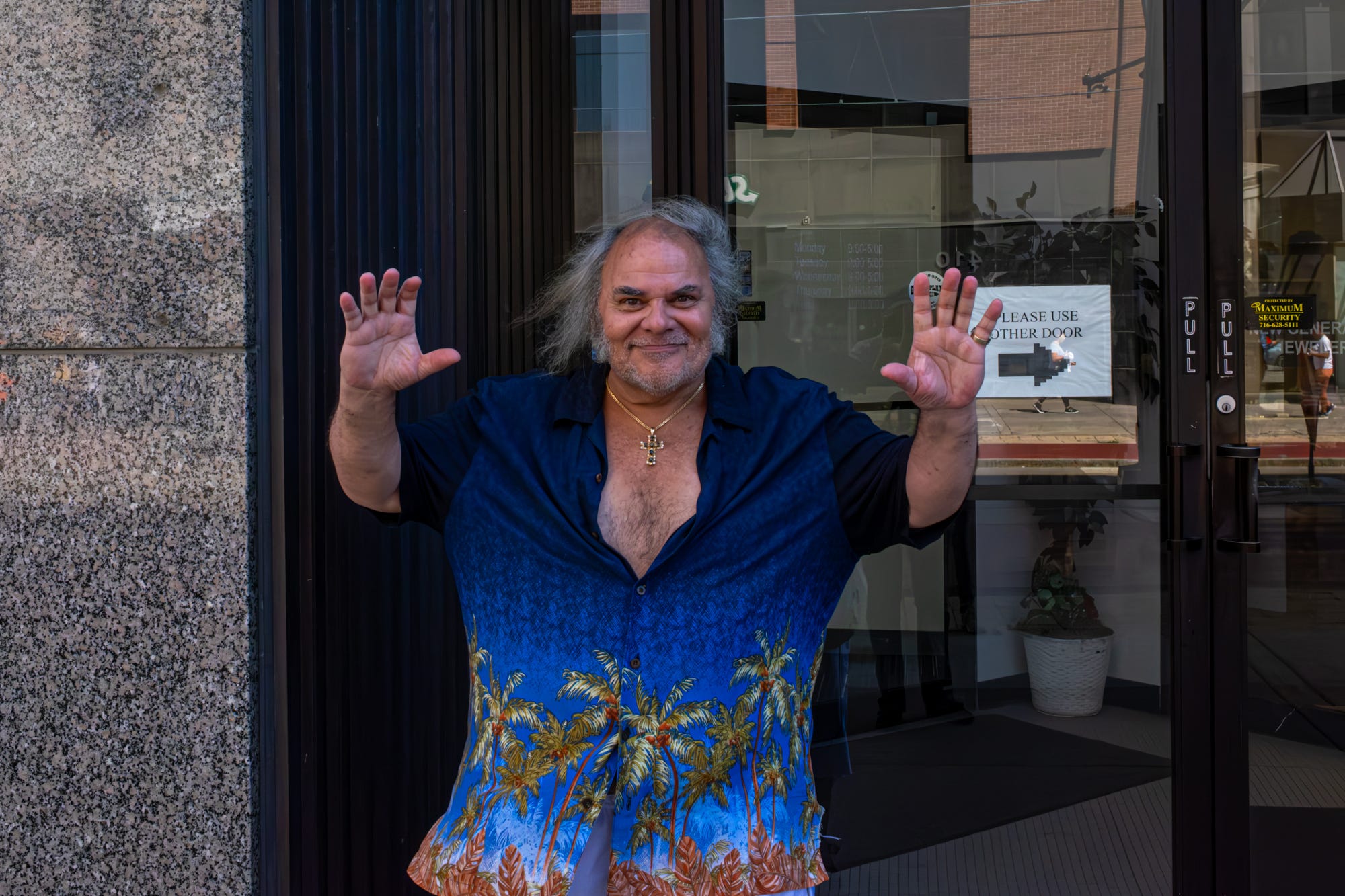
For many photographers, technical perfection has been the goal for years. Sharper lenses. Cleaner files. Better noise reduction. More dynamic range. That is great, but it’s nothing compared with a photograph that stays in people’s minds. A seemingly technically perfect image can still be pretty empty without perspective. AI could further illuminate that.
If anyone can produce a polished image, then polish alone is meaningless. The question changes. No longer is it only, “How nice does this image look?” It becomes, “Why does this image exist?” That is a harder question. It demands that you approach your own work with more honesty. What do you keep photographing? What subjects stay with you? What pictures do you see people overlook? What part of yourself continues to appear in your pictures, whether you mean to or not? Those questions count because personal vision cannot be elicited into being. One prompt can request a certain style. It may seek dramatic light, a street-photography vibe, muted colors, or the atmosphere of a particular time period. But personal vision is not a style. It is not a preset. It’s not a bag of visual gimmicks. Personal vision is what is left after you stop trying to impress people. You might say it’s the pattern that becomes obvious over time. That is what intrigues you before you have any idea why. It keeps it alive because personal vision is also for oneself. It’s the subject to which you keep coming back because it feels right.
That is where photography is very strong indeed. A photograph can tell someone, “I was here.” It can say, “I saw this.” It can tell him, “This was important to me, even if it was ordinary, quiet, messy, or easy to ignore.” That sort of attention has value because it comes from a life being lived. AI can create images that look good — and look beautiful — AI outputs can create them. They can design images to look sentimental. But it cannot care, and caring is often where the photograph begins.
Some of the Places You Can Find Me:
My Website: https://www.anthonymorganti.com/
My YouTube Channel: https://www.youtube.com/@anthonymorganti
Do AI images have an exif?
Finally… truth. It’s all about the tangible experience, being witness, being there. Seeing deeply.