
Why Content Credentials Might Save Photojournalism
Issue 237 — A new layer of truth in an era of doubt

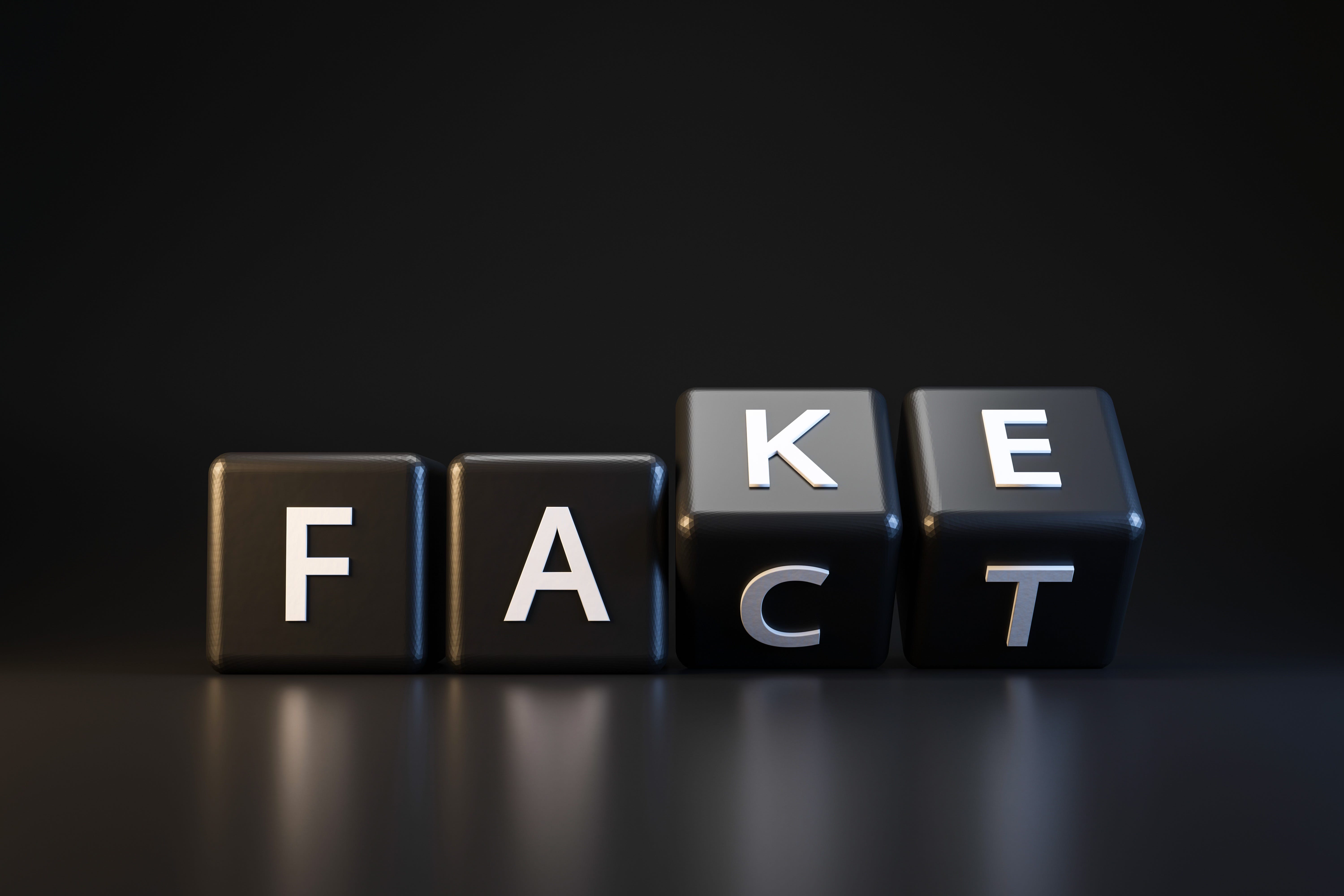
You’re watching a significant shift in photography. Not because of a new sensor or a new editing tool, but because trust in images is eroding faster than photographers can rebuild it. Every day, you see pictures questioned, debunked, or dismissed outright. AI-generated imagery accelerates that doubt, and photojournalists feel the ground shifting under their feet.
Content Credentials aim to address that problem. Think of them as a data panel that travels with an image. You can see where the picture came from, how it was captured, and what—if anything—was changed. The goal is simple. Give viewers a way to verify authenticity without relying on guesswork or blind faith.
You might ask if this kind of authentication changes anything for working photographers. You might wonder whether it helps regain trust or adds another layer of complexity to a field already full of it.
Here’s where the conversation gets interesting.
Why photojournalists pushed back
When World Press Photo briefly opened its doors to AI-generated images, photojournalists responded immediately. Their reaction wasn’t about resisting technology. It was about defending the credibility of documentary work. If AI images sat beside reportage without a clear distinction, the value of truth-based photography risked collapsing.
Their message was clear. If the public can’t tell what’s real, everything becomes suspect. If everything is suspect, the essential work of visual reporting loses its force.
Content Credentials emerged as a practical answer to that fear. Not a philosophical one. A technical one. A way to show that a picture was taken with a real camera by a real person in a real moment.
What Content Credentials offer
You gain a few key benefits when an image carries verified data.
• You see who created it
• You see when and where it was captured
• You see whether any edits were applied
• You see a chain of custody as the file moves between hands
For news agencies, this helps create a standardized path from camera to publication. For viewers, it offers transparency that doesn’t depend solely on trusting the photographer’s word. For competitions and grants, it removes ambiguity about what belongs in documentary categories.
This system doesn’t guarantee honesty. But it makes dishonesty harder to pass off as journalism.
The risk: a two-tiered world
Keep reading with a 7-day free trial
Subscribe to Anthony Morganti on Photography to keep reading this post and get 7 days of free access to the full post archives.