
Skill Still Beats Gear
Issue #267 — A great photo is still made, not bought.

Every time a new camera is released, the internet acts like photography has changed forever.
More autofocus points. More megapixels. Better subject detection. Faster burst rates. Cleaner high ISO. The spec sheet gets longer, and somehow we’re supposed to believe the gap between a good photograph and a forgettable one has been solved by another camera body.
Then someone like Jack Crockford comes along and ruins that whole argument.
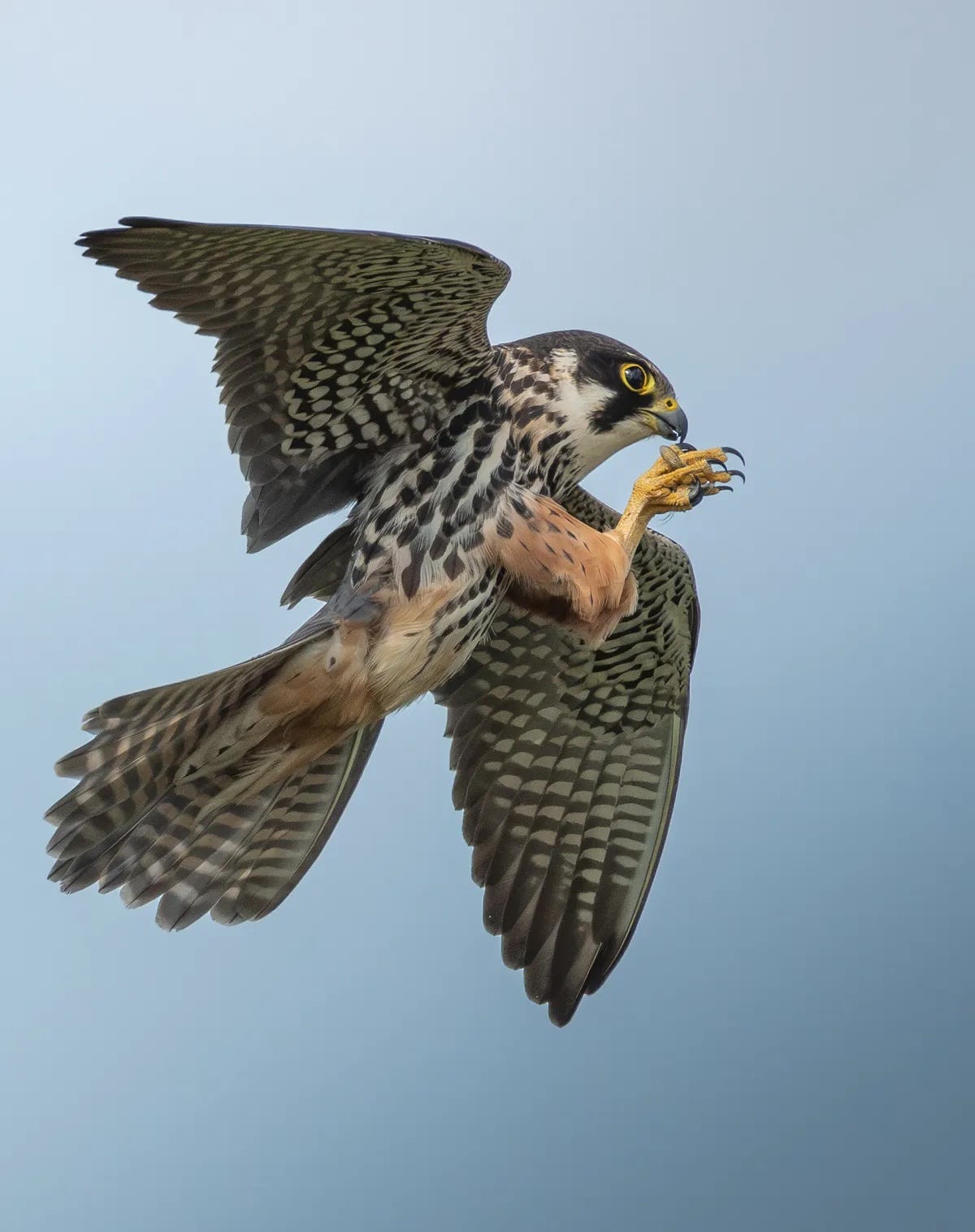
Jack won the 12-14 Years category in the British Wildlife Photography Awards 2026 with a remarkable image called “Acrobatic Hobby.” It shows a Eurasian hobby catching a mayfly in mid-air at Staines Moor in England. A small bird of prey, moving fast, changing direction, doing what wild things do, which is not caring one bit about the person trying to photograph it.
The part I love is that he didn’t make the image with some brand-new mirrorless flagship camera that locks onto a bird’s eye from three zip codes away. He used a Nikon D500 and a Nikon 200-500mm lens. Good gear, yes. Very good gear, actually. But not new gear. Not magical gear. Not gear that takes the picture for you.
That photograph happened because Jack knew where to be, what to watch for, and when to press the shutter. He had to track the bird, understand its behavior, react quickly, and probably fail a number of times before everything came together. That is the part we don’t talk about enough.
A camera can focus. It cannot care.
A lens can reach. It cannot anticipate.
A burst mode can shoot twenty frames a second. It cannot decide which moment matters.
I don’t say this as someone who thinks gear is irrelevant. Gear matters. If you’re photographing birds in flight, a longer lens helps. Fast autofocus helps. A good frame rate helps. Anyone who says otherwise is trying too hard to make a point. But gear is only helpful after the photographer has done the harder work.
You still have to get yourself out there. You still have to learn the subject. You still have to miss the shot, come home annoyed, and go back again.
That is where skill lives. Not in the camera bag, but in the repetition. In the waiting. In the small adjustments you make after you realize you were standing in the wrong place, using the wrong shutter speed, or reacting half a second too late.
Look at some of the other winning images from the same competition. Paul Hobson won the overall British Wildlife Photography Awards 2026 with a toad swimming across the surface of a pond. That image wasn’t about exotic travel or expensive drama. It was about patience, planning, and seeing a common subject in a way most people would walk right past.
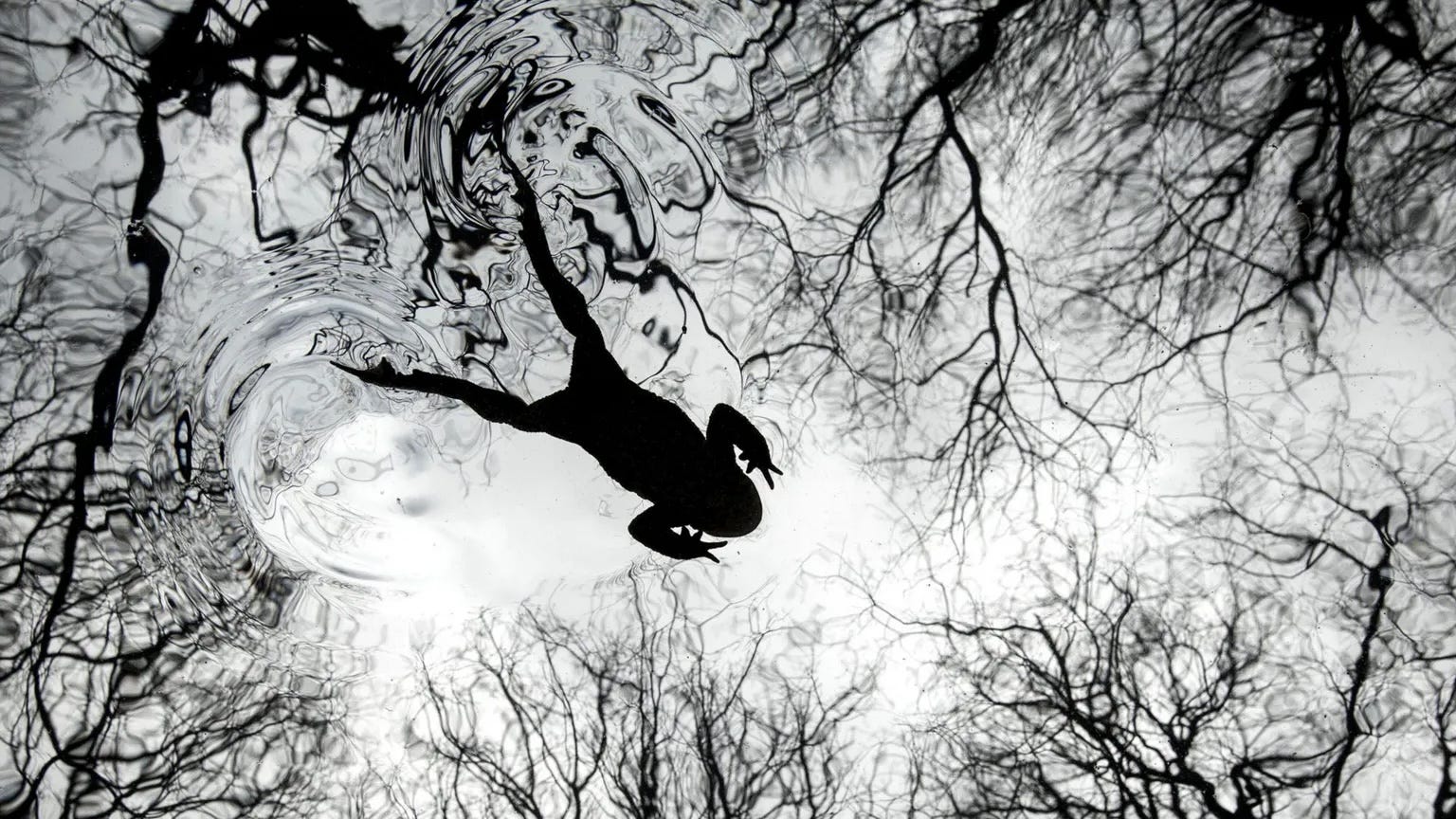
Paul is a professional photographer and captured his image with a Canon EOS 5D Mark III paired with an EF 16-35mm f/2.8L USM lens. He built a glass, waterproof box for the camera. Glued tripod legs on the sides of the box to keep it level. Attached ballasts to the box to get it submerged in the pond, then used a remote shutter release to take the picture. Paul worked to get the shot.
Ben Lucas won Young British Wildlife Photographer of the Year with a photograph of a mute swan cygnet resting on its sibling’s back. Again, that is not a gear story. That is an observation story. You have to notice the small moment, recognize that it says something, and be ready before it disappears.
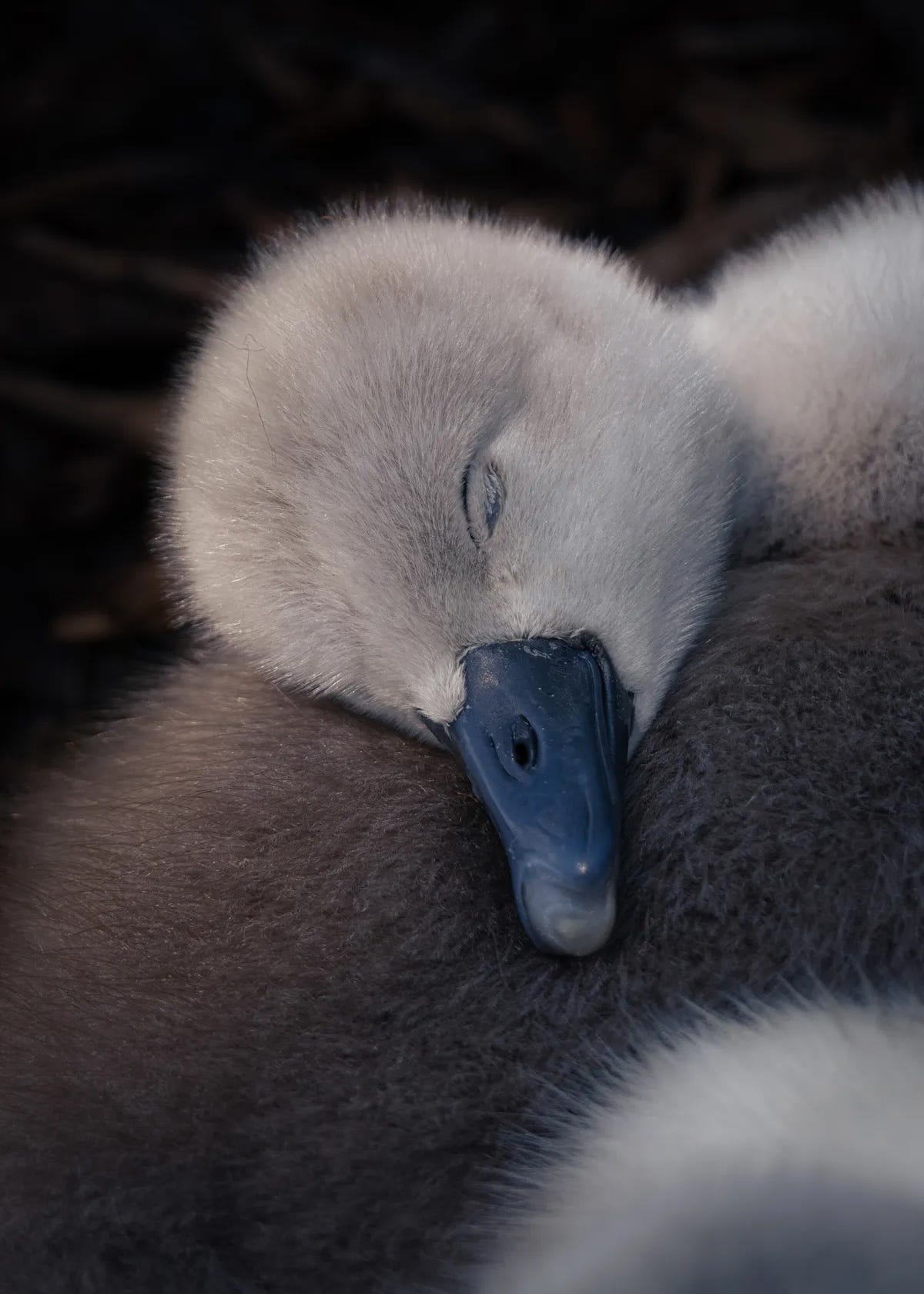
Ben captured the image with an APS-C Canon EOS R10 and a Canon RF 100-400mm f/5.6-8 IS USM Lens.
Jamie Smart won the 11 and Under category with a close image of a leaf-cutter bee. Jamie captured the image with a Micro Four Thirds OM-1 Mark II and an M.Zuiko 90mm f/3.5 Macro lens.
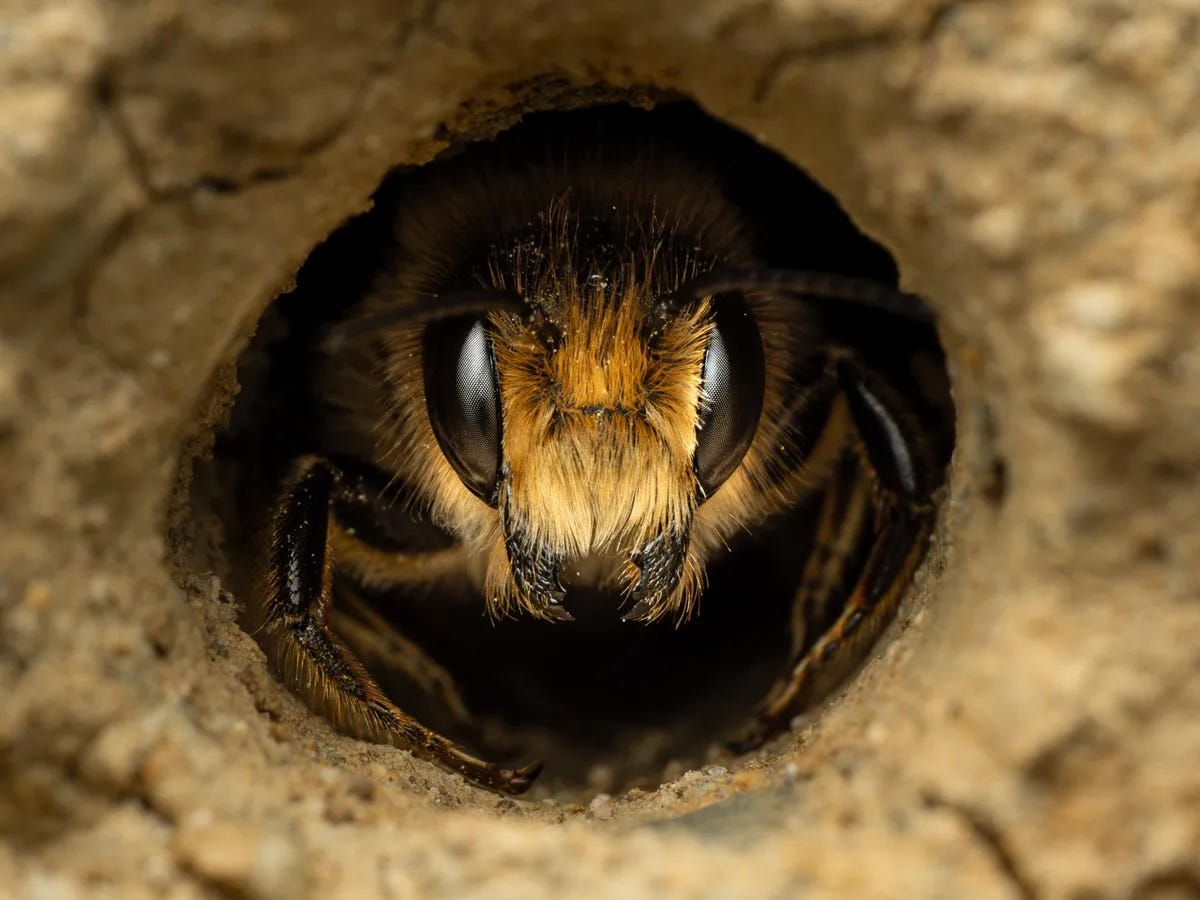
One quick note about Jamie: at 9 years old, she won the Young British Wildlife Photographer of the Year with her photo of a Curlew amongst dandelions.
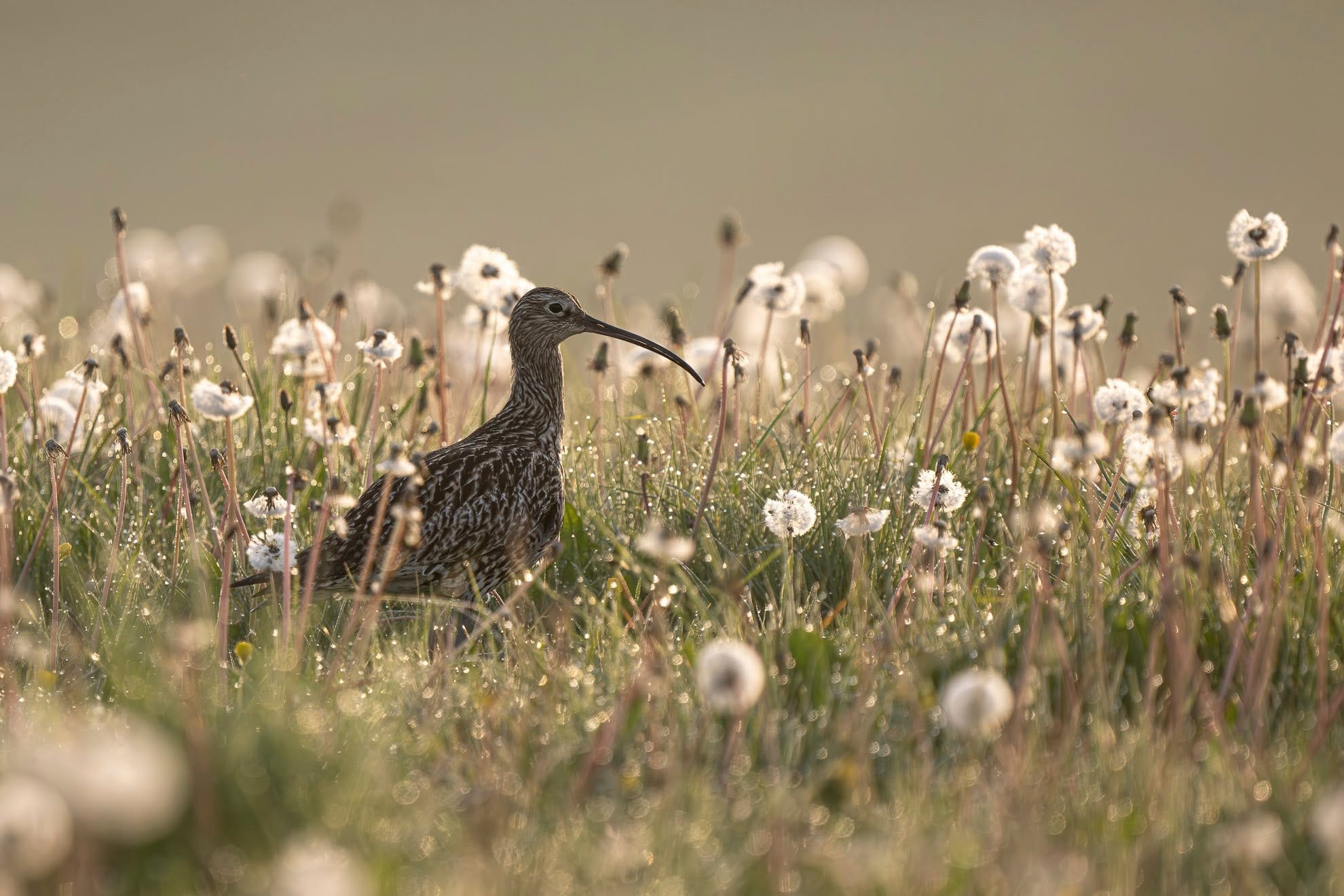
All the winners I shared here used good gear, but I think we can agree it wasn’t cutting-edge. I believe that suggests that seeing clearly matters more than owning everything.
This is where photographers, including me, can get in our own way.
We start thinking that the next purchase will fix what we haven’t practiced. We tell ourselves we need a better camera before we try birds in flight. We need a sharper lens before we photograph wildlife. We need a newer body before we take the subject seriously.
Sometimes we do need better gear. But often, we need better habits.
We need to study light more carefully. We need to learn where animals appear and how they behave. We need to stop spraying frames at everything that moves and start asking what the subject is actually doing. We need to know our camera well enough so we’re not fumbling when the moment appears.
That last part is a big one.
A photographer with older gear they know inside and out will often beat a photographer with new gear they barely understand. I’ve seen it many times. The person with the older camera changes settings without looking. They know how far they can push ISO. They know when the autofocus will struggle. They know what the lens does well and what it does poorly.
That knowledge does not show up in an advertisement. But it shows up in the picture.
Jack Crockford’s image is a nice reminder of that. A young photographer with a DSLR and a reasonably attainable wildlife lens made an image that many adults with more expensive gear would love to have in their portfolio. That doesn’t happen by accident. It happens because skill was present when luck finally showed up.
And that might be the real lesson.
Luck matters in photography. Of course it does. The bird has to fly the right way. The light has to cooperate. The mayfly has to be in the wrong place at the wrong time. But luck only helps the photographer who is ready for it.
The rest of us just watch it happen.
So yes, buy the gear if you need it and can afford it. I’m not here to pretend equipment doesn’t matter. But don’t let the lack of a newer camera become the excuse that keeps you from doing the work. The work is still the thing.
Learn your subject.
Learn your camera.
Go back again.
That is not as exciting as a new camera announcement, but it is probably more useful. And every once in a while, it might put you in front of a bird, a mayfly, and a fraction of a second that actually means something.
Some of the Places You Can Find Me:
My Website: https://www.anthonymorganti.com/
My YouTube Channel: https://www.youtube.com/@anthonymorganti
Good article, I used to shoot F1 on Nikon FM and a cheap 300mm lens. It was more about standing in the right spot and as you say following the cars and pressing the shutter at the correct moment.
Great post. I'm an amateur and I love photography, but I can't afford to keep up with the technology arms race that's been going on. Far from it. I'm proud and happy with what I can get from my Nikon apc bodies and third party lenses. I'm far more excited by the advancements in software that you so ably present. As with my darkroom in the past, (I'm that old) this is where a lot of the fun and creativity takes place, and can overcome hardware limitations. Thanks for what you do.